How to Cover Amer Palace, Jaigarh & Nahargarh Forts

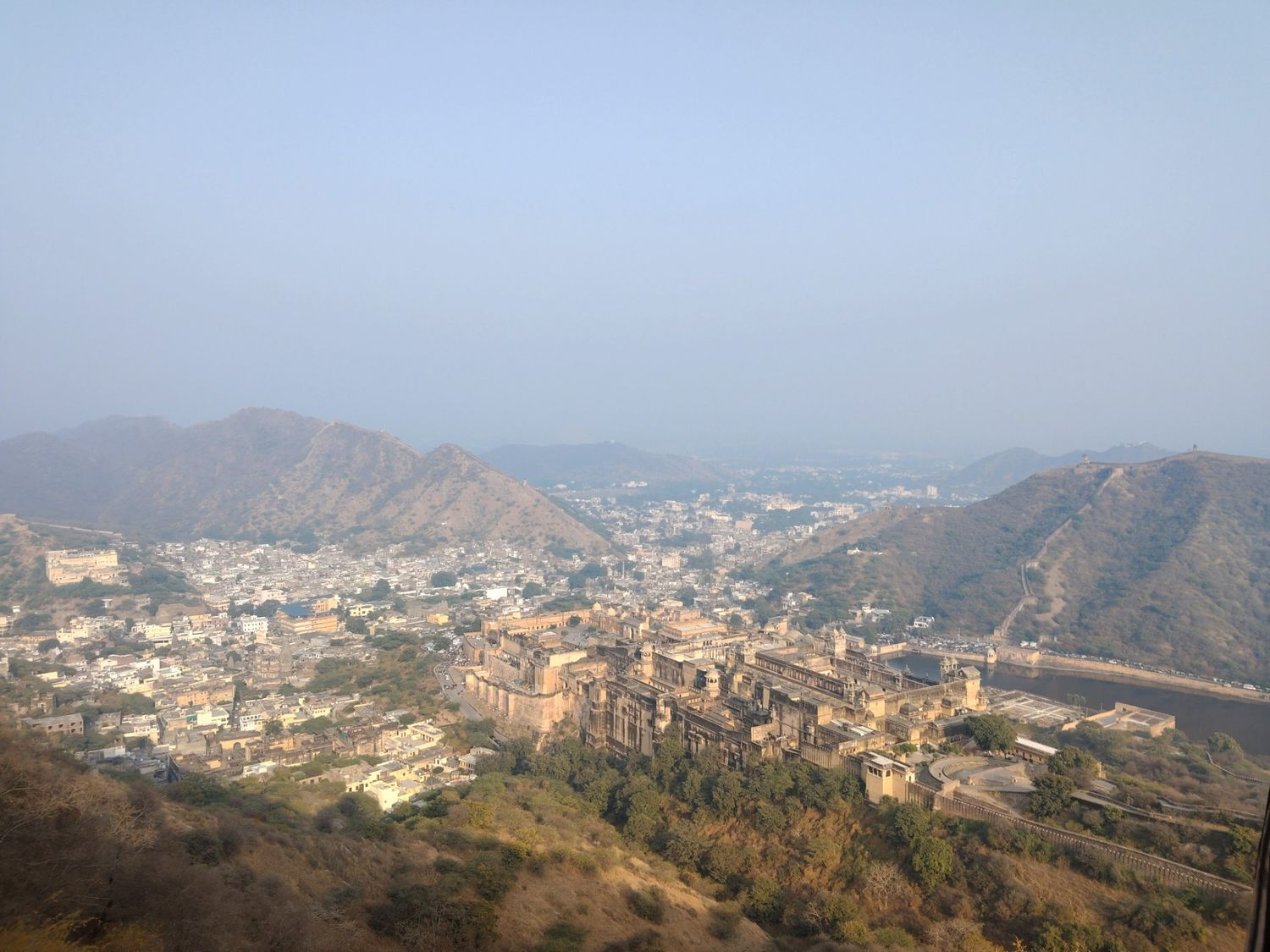
Perched majestically on the Aravalli hills, a trio of magnificent forts—Amer, Jaigarh, and Nahargarh—stands as the silent guardians of Jaipur. More than just impressive monuments, they form a grand defensive triangle, each a unique testament to the military genius, strategic foresight, and artistic splendor of the Kachwaha Rajput rulers.
This blog post is your comprehensive guide to exploring this incredible trio, from the opulent royal residence to the rugged military stronghold.
Amer Fort: The Jewel of the Trio
The journey through this historical triangle begins with Amer Fort, a UNESCO World Heritage Site renowned for its breathtaking beauty. Its construction, a 136-year evolution spanning three rulers, tells a story of shifting power and wealth. The rich, Amber palace history is what makes the fort so special.
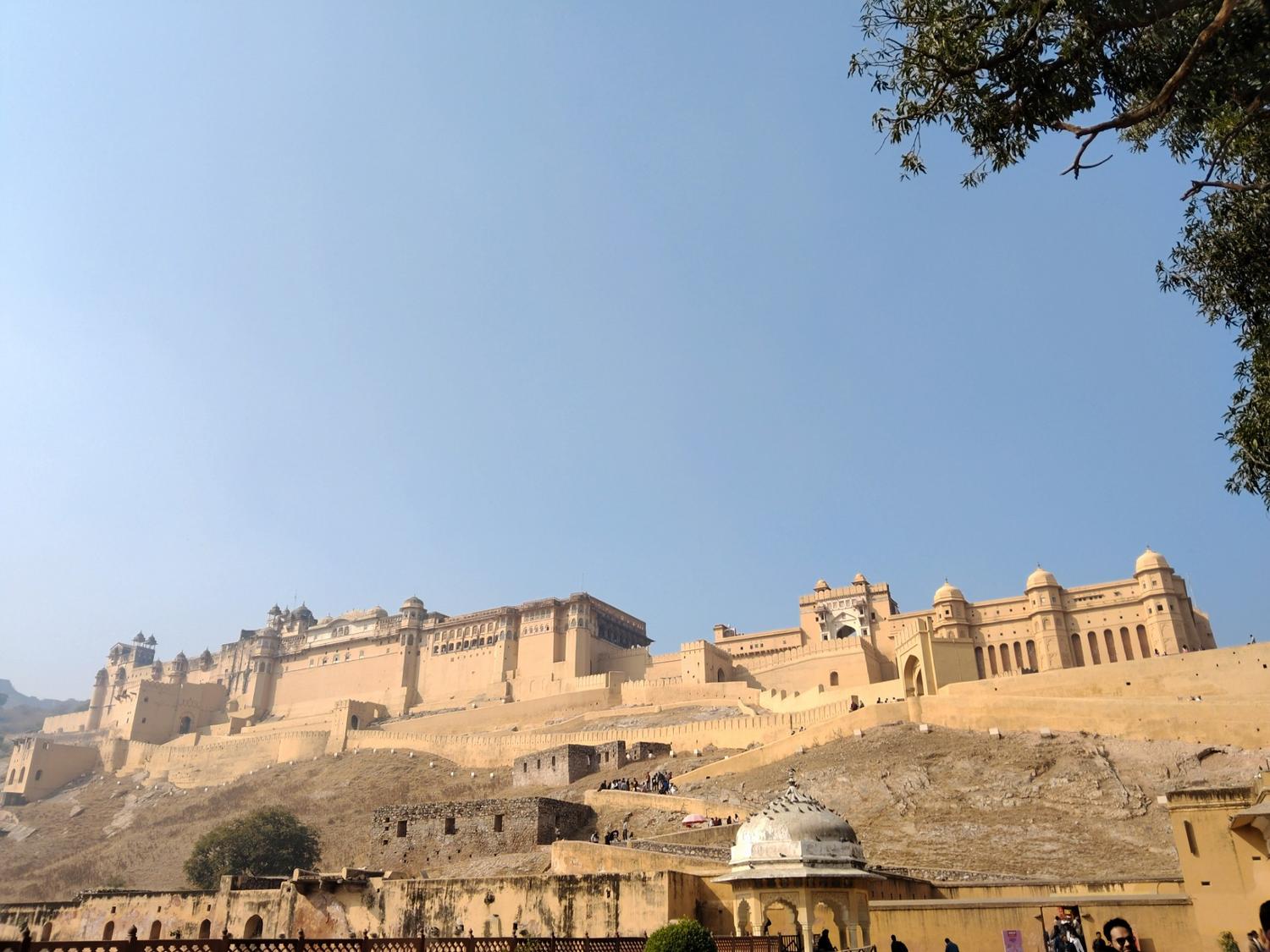
Amer Fort History: A 136-Year Evolution
The construction of the original palace began in 1592 by Raja Man Singh I, with a focus on traditional Rajput red sandstone. His successor, Mirza Raja Jai Singh I, expanded it into an opulent marble palace, a direct result of his close alliance with the Mughal court and the vast wealth it brought.
Finally, Sawai Jai Singh II completed the complex before shifting the capital to Jaipur in 1727. This fascinating blend of Rajput and Mughal styles reflects a golden era of prosperity and cultural exchange.
The palace complex is a masterpiece of design. As you walk through its gates, you’ll encounter:
- The Ganesh Pol: An intricately painted gateway serving as the exclusive entrance to the private royal quarters.
- The Sheesh Mahal (Palace of Mirrors): An architectural wonder of mirror mosaics, designed to create a starry night illusion.
- The Sukh Niwas (Hall of Pleasure): An ingenious hall that stayed cool thanks to water channels flowing through its walls.
- The Kesar Kyari Garden: Located in the center of Maota Lake, this garden was a bold but failed attempt to grow saffron. Its name remains a tribute to this ambition.
Amber Fort Timings and Ticket Price
The fort is open every day of the week, with regular hours designed to give visitors plenty of time to explore. The palace timings are generally from 8:00 AM to 6:00 PM. The Amber Palace ticket price is ₹100 for Indian nationals and ₹500 for foreign tourists.
👉 Pro Tip: Considering a history expanding over 136 years and the majestic size of the Amer Palace, I highly recommend hiring a guide. They usually charge anywhere between ₹450 and ₹600.
Jaigarh Fort: The Military Stronghold
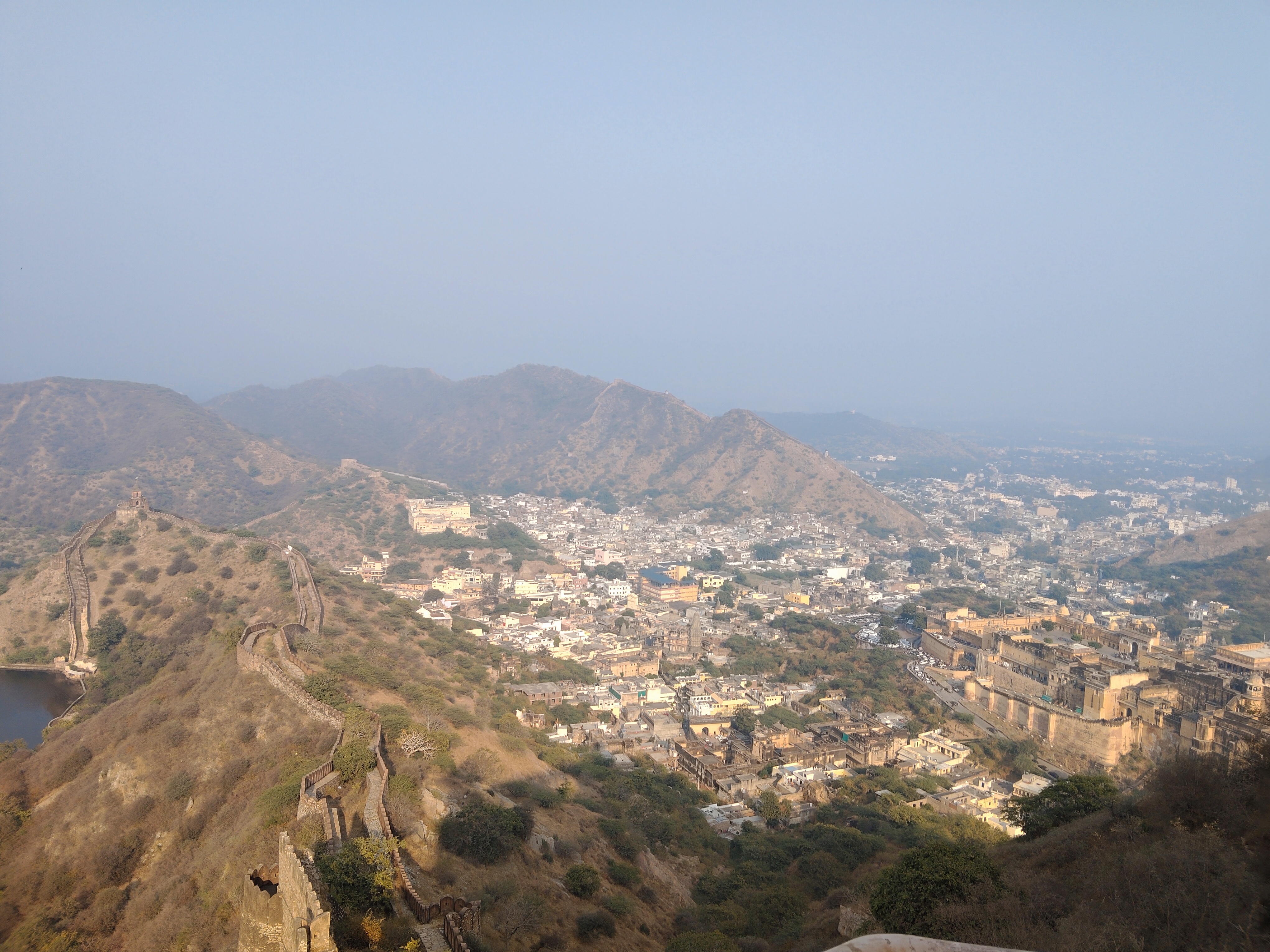
Perched on the “Cheel ka Teela” (Hill of Eagles) directly above Amer, Jaigarh Fort is a powerful contrast to its palatial neighbor. While Amer was built for life, Jaigarh was built for war.
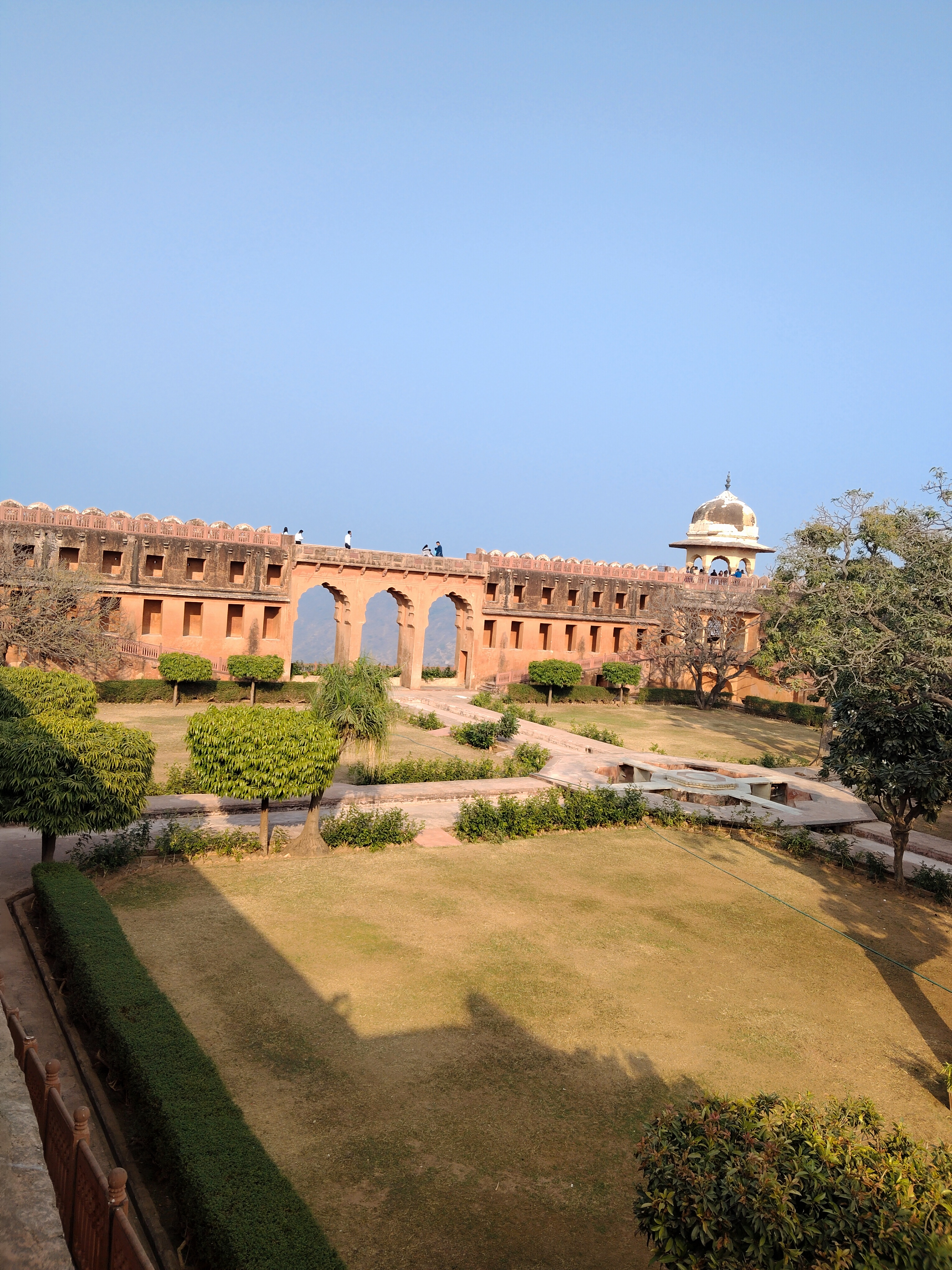
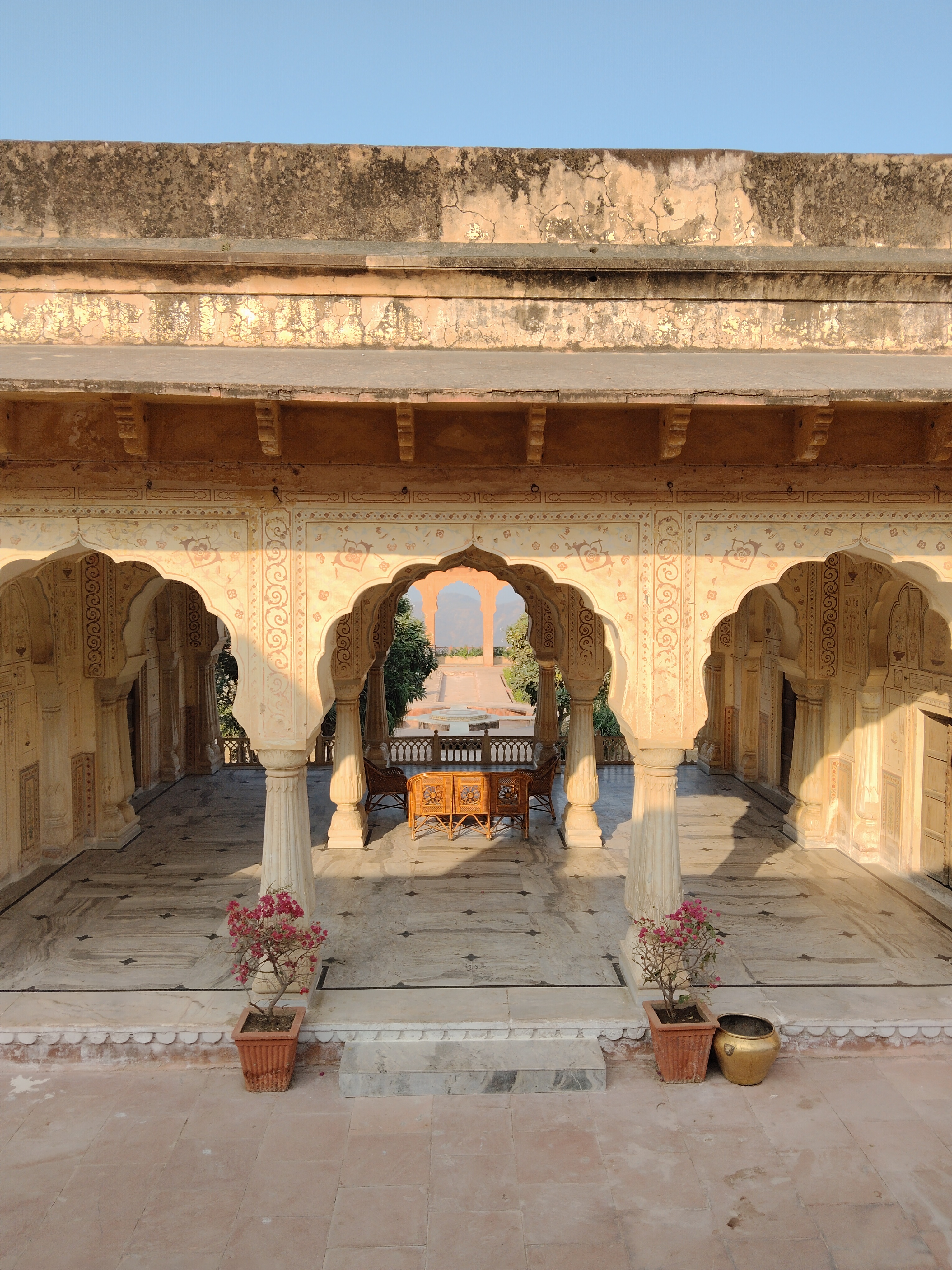
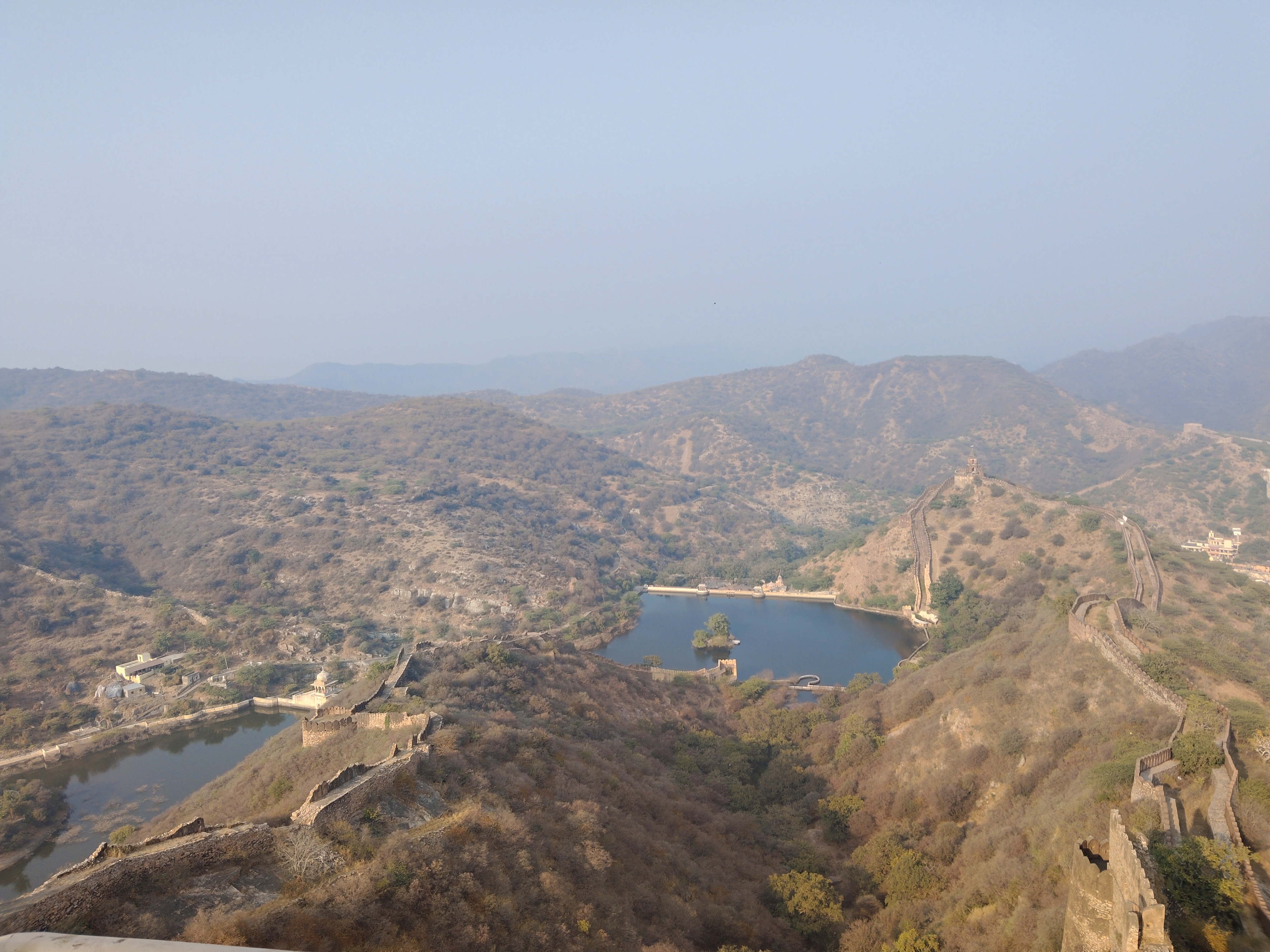
Jaigarh Fort History and Key Features
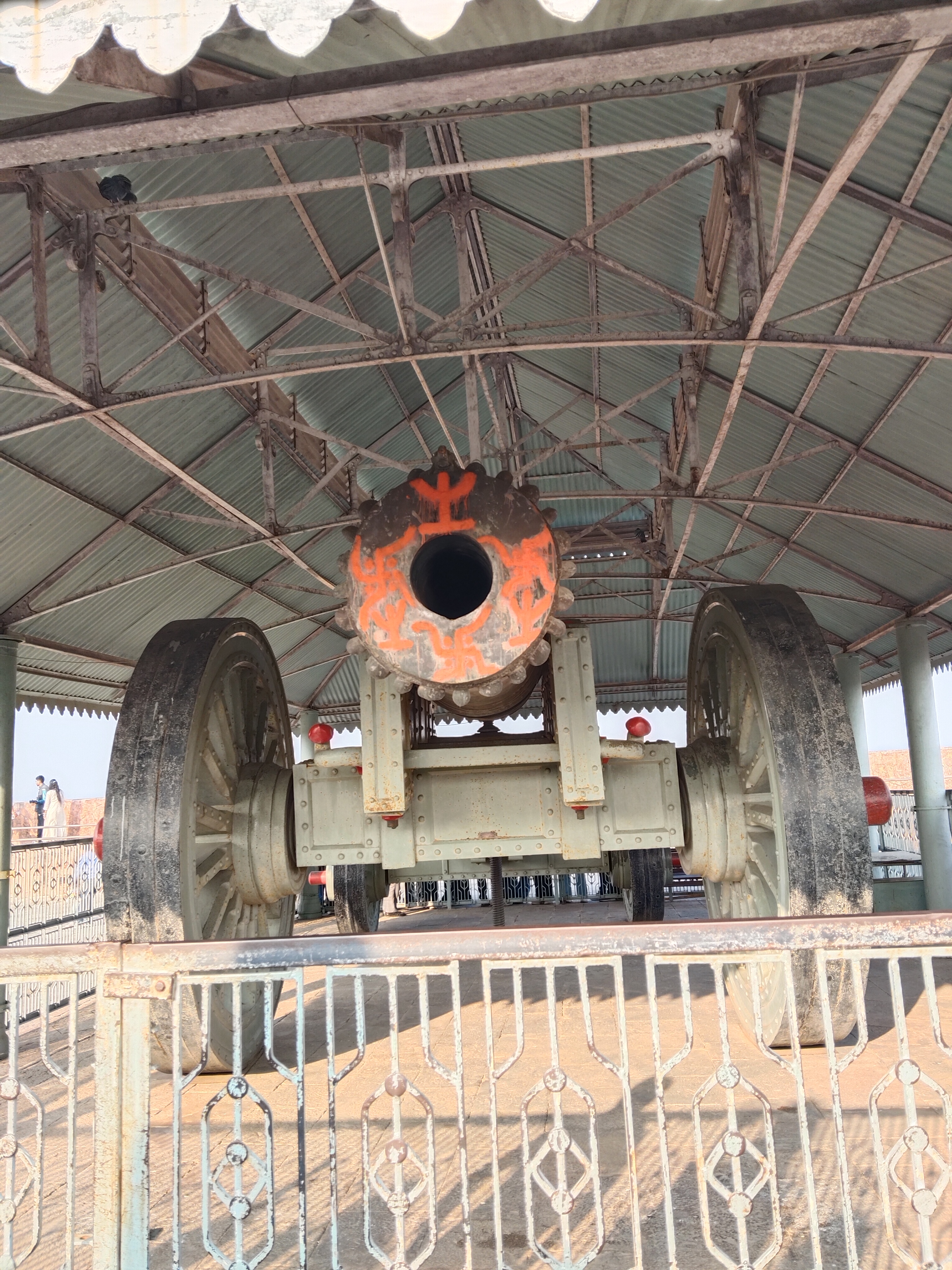
Commissioned by Sawai Jai Singh II in 1726, the Jaigarh fort’s history is one of defense and innovation. It served as the kingdom’s primary armory and cannon foundry. The fort is home to the world’s largest wheeled cannon, the Jaivana Cannon. Cast in 1720, this colossal weapon was famously fired only once for a test, with its recoil creating a pond at its landing point.
Jaigarh also houses a crucial secret underground tunnel, which served as an escape route for the royal family from Amer Palace during times of siege. This tunnel is a popular attraction that connects both forts. The view of Amer Fort from Jaigarh is truly stunning.
Jaigarh Fort Timings and Entry Fee
The Jaigarh Fort opening time is typically 9:00 AM to 5:00 PM. The ticket price is separate from Amer’s. The combination of Jaigarh and Nahargarh forts is available for ₹450 for Indian nationals.
Nahargarh Fort: The Abode of Tranquility
The third pillar of Jaipur’s defense ring is Nahargarh Fort, known as the “Abode of Tigers.” Built by Sawai Jai Singh II in 1734, its purpose was a blend of military and leisure. The Nahargarh history is marked by its strategic location on the northern ridge of the Aravalli Hills, from which its walls extend to connect with Jaigarh.
Nahargarh’s Unique Stories and Viewpoints
The fort’s name comes from a legend that it was haunted by the spirit of a prince, Nahar Singh Bhomia, who obstructed its construction until a shrine was built in his honor.
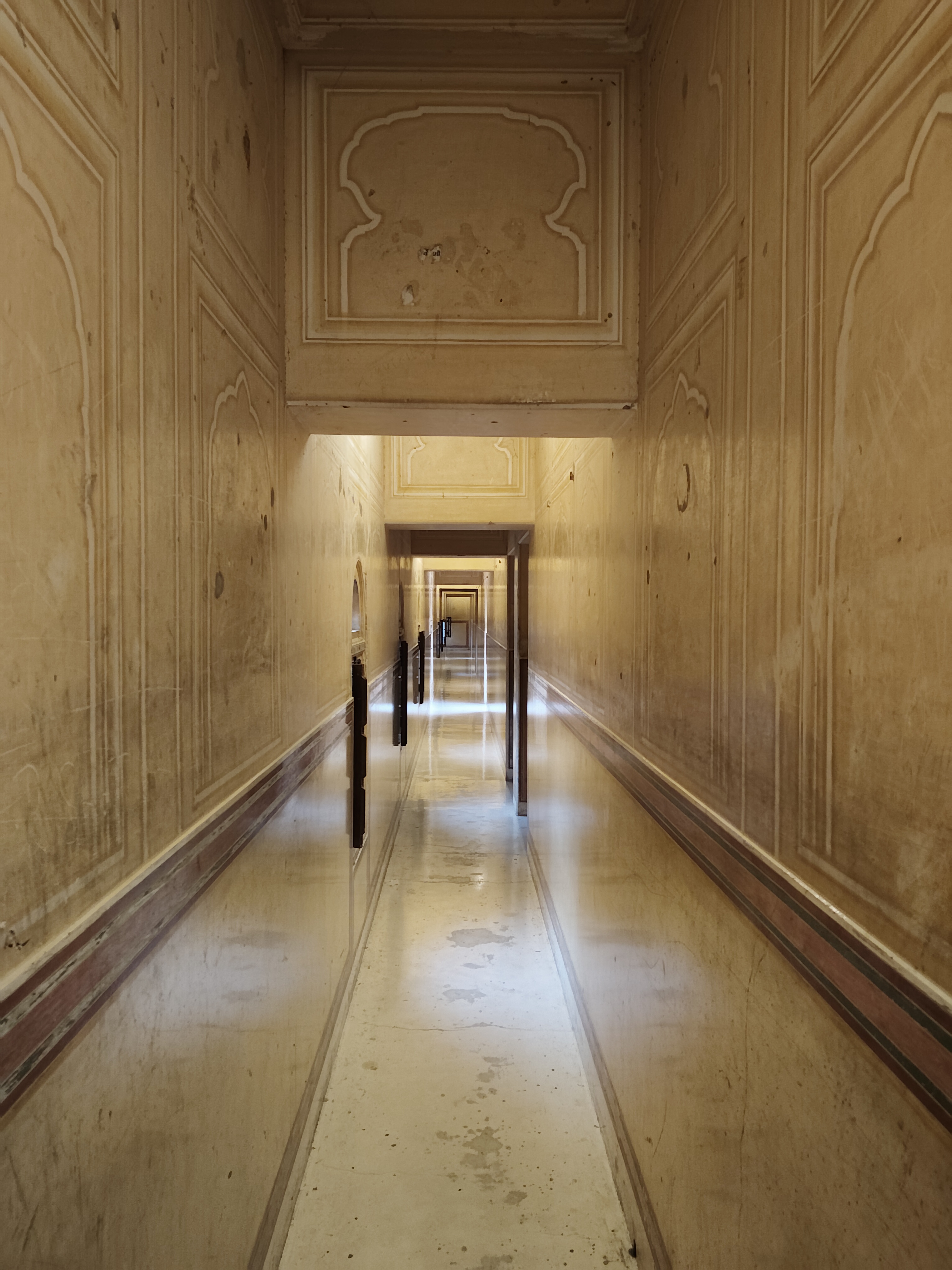
Its most captivating feature is the Madhavendra Bhawan, a palace with nine identical apartments for the king’s nine queens. This clever design ensured privacy and allowed the king to move between the quarters without attracting attention.
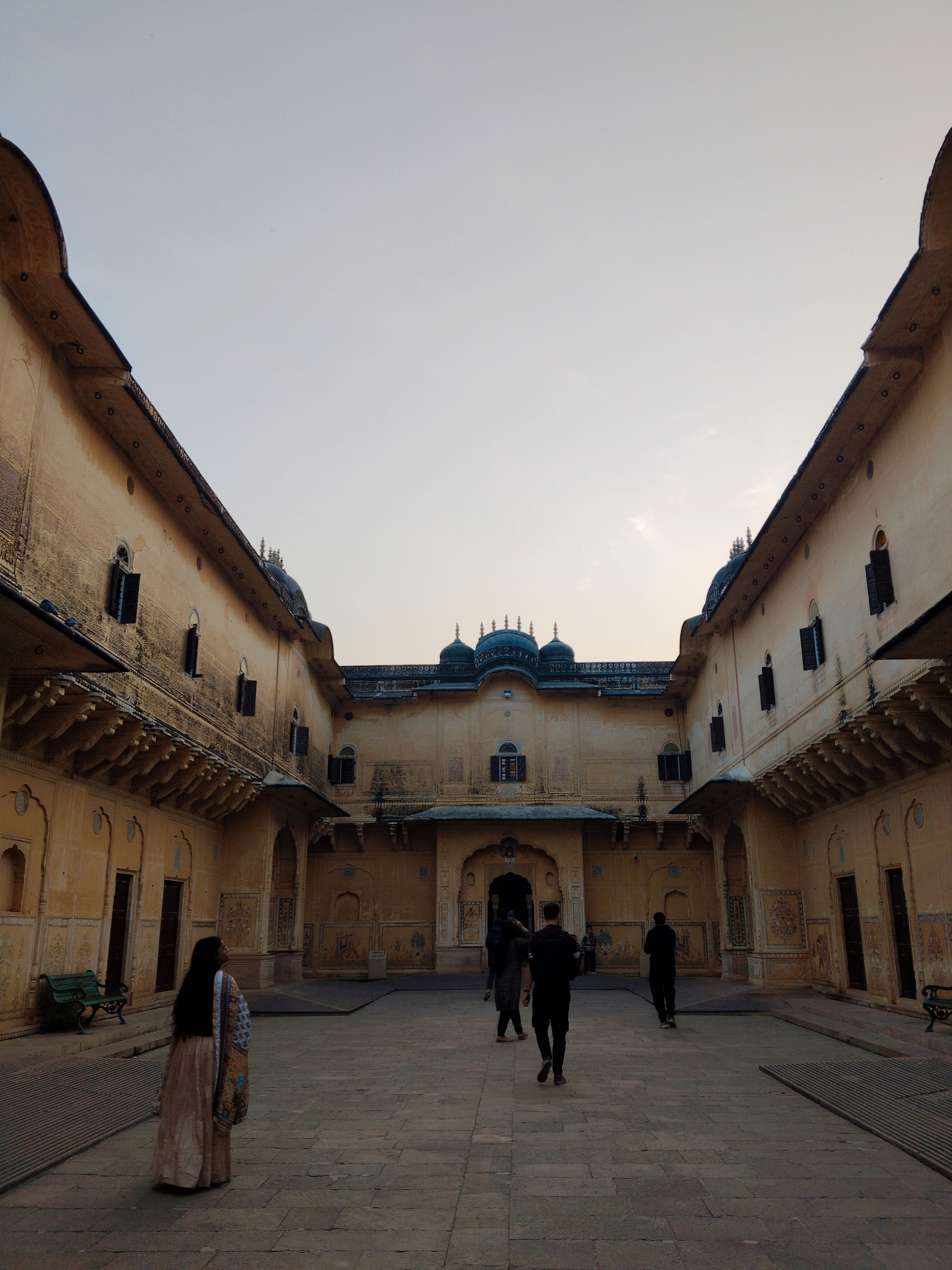
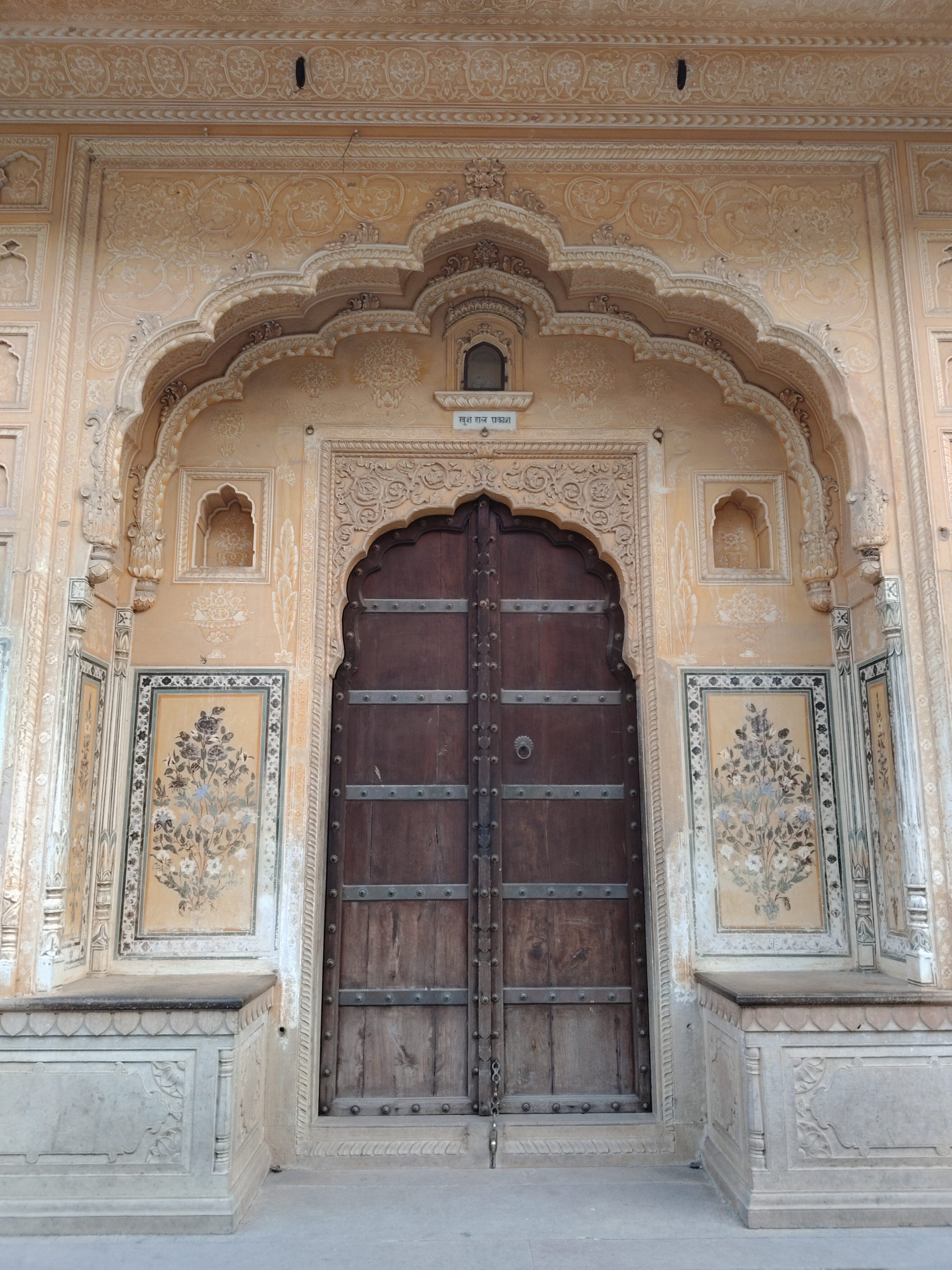
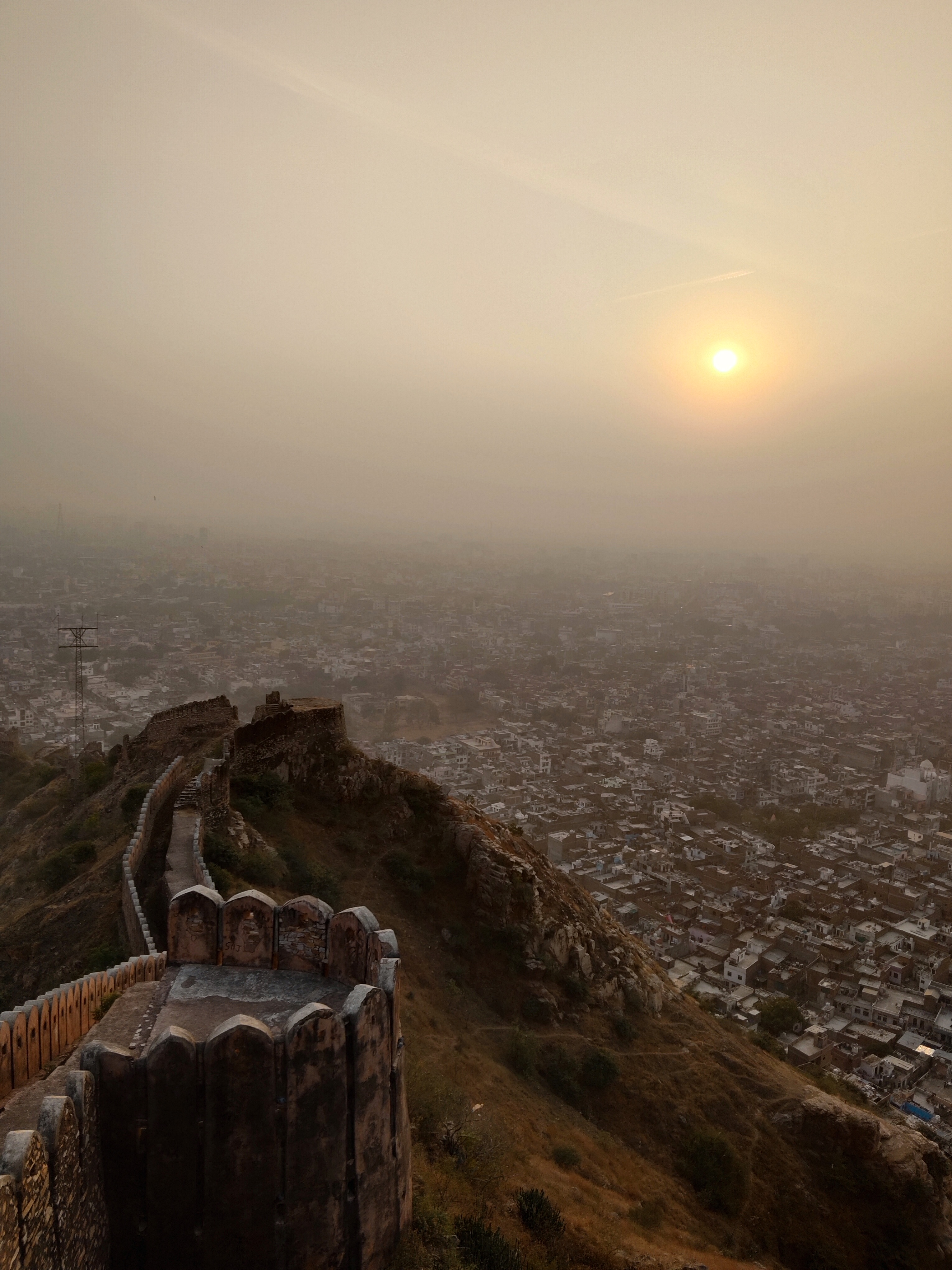
Nahargarh is most famous for its panoramic city views, especially at dusk. The Nahargarh night view from the top is a spectacular sight as the city lights up. It is a popular spot for the Nahargarh Fort sunset and the Nahargarh Fort sunset point. The best time to visit Nahargarh Fort is in the late afternoon, as it offers a cool climate to explore and a perfect viewpoint to watch the sunset over the “Pink City.”
Nahargarh Fort Timings and Entry Fee
The Nahargarh Fort timing is usually from 10:00 AM to 6:00 PM. The entry fee is separate from the other two forts. It’s often bundled with the other forts, so be sure to check for combo ticket options, which cost around ₹450 for Indian nationals.
Planning Your Fort Triangle Tour
To experience the full story of Jaipur’s forts, consider visiting them as a trio. Start with Amer Fort, then take an autor up to Jaigarh Fort, and finish your day with a visit to Nahargarh for a memorable sunset view. The combination of Jaigarh Fort and Nahargarh Fort is a perfect way to explore both the military and leisure aspects of the Rajput dynasty.
FAQs
1. Is there a tunnel between Amer Fort and Jaigarh Fort?
Yes, there is a secret underground tunnel connecting the two forts. It was used as an escape route by the royal family in case of an attack on Amer. A part of the tunnel is now open to the public.
2. What are the best timings for visiting the forts?
For Amer and Jaigarh, visiting in the morning is best to avoid crowds and heat. For Nahargarh, a late afternoon visit is ideal for catching the famous sunset.
3. What is special about the Nahargarh Fort sunset point?
The Nahargarh Fort Sunset Point offers a spectacular, panoramic view of the entire city of Jaipur, making it a favorite spot for visitors and photographers.
4. What is the history of Nahargarh Fort?
The fort was built in 1734 by Maharaja Sawai Jai Singh II, a key figure in the history of Nahargarh. Its initial purpose was as a defensive retreat, though it later became a royal residence and hunting palace.