How to Choose the Right Accommodation & Other Tips for Solo Travelers

Choosing the right place to stay can make or break a solo trip. Solo traveler bookings on accommodation platforms have surged, with Hotelscan.com reporting a 170% rise in searches for single-occupancy rooms over the last 12 months. When traveling alone, your accommodation is more than just a place to sleep. It’s your safe zone, planning base, and sometimes your social hub. Good accommodation helps you feel secure, comfortable, and connected, especially in a new environment where you don’t know anyone.
This article lists practical accommodation tips for solo travelers.
How to Choose the Right Type of Accommodation
Different types of accommodations are available. Make sure you choose the one based on your needs.
Hotels
Hotels are a solid choice for solo travelers who value privacy, security, and convenience. They often have 24-hour front desks, luggage storage, and reliable services. It’s ideal if you’re arriving late or need a stress-free stay. In 2025, hotels are the preferred choice for 17% of solo travelers, followed by hostels (11%) and vacation rentals (11%).
Hostels
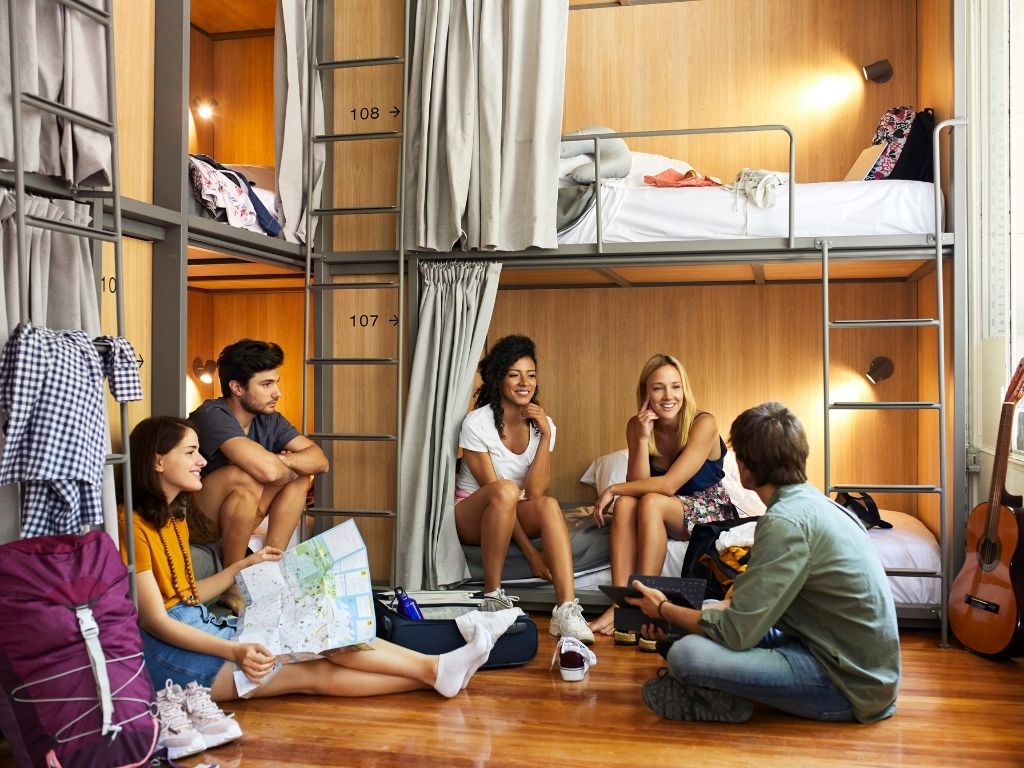
Perfect for meeting people. Many hostels organize group activities like city tours or dinners, making it easy to connect with other travelers. Dorm rooms are budget-friendly, but most hostels also offer private rooms if you want a quieter option.
Guesthouses & B&Bs
These offer a personal touch that larger hotels lack. You’ll often interact directly with the owners, who can share local tips and help you explore beyond tourist spots. They’re great for solo travelers who enjoy a homely feel.
Homestays & Couchsurfing
If you want an authentic cultural experience, staying with locals can be rewarding. You get to see how people live day to day and often form meaningful connections. However, always verify profiles, read reviews, and trust your instincts before booking.
Short-Term Rental
Ideal for longer stays or digital nomads who want their own space. You can cook, do laundry, and live more like a local. Choose properties with strong reviews and responsive hosts to ensure a smooth experience. Airbnb searches for solo travel increased by 90% from last year, reflecting a strong desire among solo travelers for local immersion and privacy through short-term rentals.
Prioritizing Safety as a Solo Traveler
Safety should always come first when choosing where to stay. Start by checking reviews from verified travelers on trusted sites like Booking.com, Hostelworld, or Airbnb. Look for detailed comments about the area’s security, staff behavior, and cleanliness, and not just star ratings.
Before booking, explore the location on Google Maps. Check the neighborhood during both day and night views to see how populated and well-lit it is. Avoid areas that seem deserted or far from main roads.
Share your accommodation details, including name, address, and contact number, etc., with a friend or family member. If your plans change, update them.
Choose accommodations with a 24-hour reception or secure self-check-in. They provide extra safety for late-night arrivals or early departures. Also, lock your belongings in lockers or safes when stepping out.
Read More: Top 10 Safety Tips for Solo Women Travelers
Budgeting and Value for Money
Solo travelers spend 17% of their budget on lodging. They often have to stretch their budgets, but safety and comfort should never be sacrificed for a cheaper deal. Begin by comparing prices across multiple booking platforms. Sometimes, booking directly through the hotel or hostel’s website gives better rates or perks.
Use loyalty programs and sign up for newsletters, as they often share exclusive discounts or early bird offers. Traveling off-season can also save you a lot, as accommodation prices drop when tourist traffic is low.
Be realistic about where to spend and where to save. Splurge on places that ensure safety, good hygiene, and location. Save on extras like luxury amenities or fancy decor that don’t add real value to your experience.
Location Matters
Your accommodation’s location affects how smoothly your trip goes. Always stay close to public transport, grocery stores, and restaurants. It makes getting around easier and safer, especially if you’re exploring alone.
Avoid isolated neighborhoods or properties too far from the main area, particularly if you plan to return late in the evening. Reading reviews will help you understand how accessible and lively an area feels.
Balance convenience and comfort. Staying in the city center gives you quick access to attractions, but it can be noisy. Residential areas, on the other hand, offer peace and local charm but may require longer travel times. Choose based on your travel style and priorities.
Tips for Booking Smart
Book wisely to avoid unpleasant surprises. Always compare prices across multiple platforms like Booking.com, Agoda, and Hostelworld. The same room can cost differently on each site.
Before confirming, read reviews carefully. Don’t rely on one extreme opinion. Look for repeated comments about cleanliness, staff behavior, or noise.
If your travel dates are uncertain, choose flexible or refundable bookings. Paying a little more for flexibility can save you from losing money if plans change.
Check for hidden costs such as cleaning fees, taxes, or security deposits. These can increase your total cost unexpectedly. Always read the fine print before making a payment.
Making the Most of Your Stay
Once you’ve checked in, make your accommodation part of your travel experience. Talk to the staff or host, as they often know local places that aren’t in guidebooks. Ask for food recommendations, nearby markets, or safe walking routes.
If you’re staying in a hostel or guesthouse, take part in group activities like walking tours, movie nights, or cooking classes. They’re safe, easy ways to meet other travelers.
Use shared spaces such as lounges or kitchens to connect with people, but respect others’ privacy and belongings. Keep your valuables secure even in social areas.
Digital Safety and Privacy
Protect your personal information while traveling. Avoid sharing your real-time location on social media until after you’ve left a place. It prevents unwanted attention and keeps your movements private.
When using public Wi-Fi, avoid online banking or entering sensitive details. A VPN adds an extra layer of security.
Store digital copies of your passport, ID, and booking details in a secure cloud folder or email them to yourself. That way, you can access them easily if your physical copies get lost or stolen.
Cultural Etiquette and Local Customs
Understanding local customs can make your stay smoother and more respectful. Every country has its own expectations about behavior, dress, and communication, and following them shows that you value the culture you’re visiting.
Before arriving, research the basic dos and don’ts. In some countries, removing your shoes before entering a home or guesthouse is normal. In others, loud conversations or public displays of affection may be frowned upon. Small gestures like these help you blend in and avoid misunderstandings.
Be mindful of dress codes, especially in religious or conservative areas. When unsure, choose modest and neutral clothing. Respecting local customs not only keeps you safe but also builds positive connections with locals.
Learn about tipping culture, too. Some places include service charges, while others expect a small cash tip. Knowing what’s polite helps you avoid awkward moments at checkout or in restaurants.
Final Thoughts
Choosing the right accommodation is one of the most important decisions for solo travelers. Your accommodation should make you feel secure, comfortable, and confident while exploring alone. Trust your instincts. If a place doesn’t feel right, don’t ignore that feeling. Prioritize safety and peace of mind over saving a few dollars. The right accommodation can turn your solo trip into a meaningful experience, one where you rest well, meet interesting people, and feel at home wherever you are.