How to Travel Solo for the First Time in 2025?

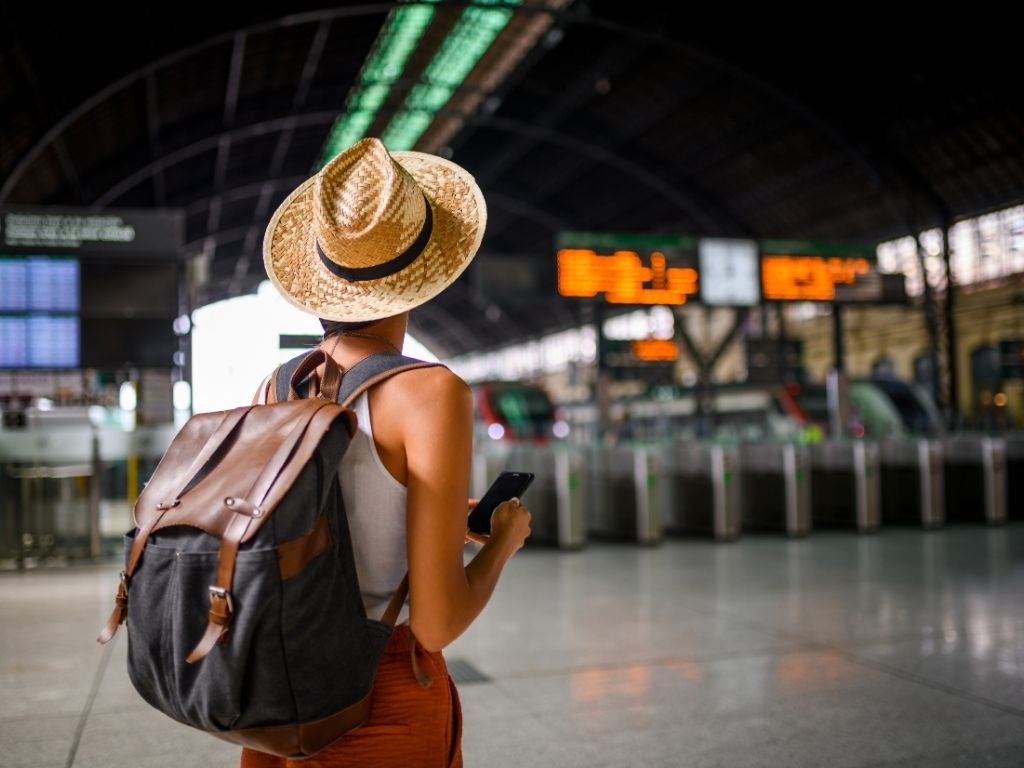
Traveling solo can feel intimidating at first, but it’s one of the most rewarding ways to see the world. When you travel alone, you set your own pace, make your own choices, and discover a deeper sense of freedom. It’s not only about visiting new places but also about gaining confidence, meeting people on your own terms, and learning how capable you really are. First-time solo travel is more popular than ever in 2025, with most people starting between ages 22 and 30, often driven by independence and adventure. Global searches for ‘solo travel tips’ are up 62%, showing just how many are ready to take the leap.
Whether you’re planning your first solo trip or looking to improve your experience, this blog will walk you through practical steps on how to travel alone safely and enjoyably.
How to Travel Alone in 2025?
Here are some effective tips I follow to make the most of my solo trips.
Plan Your Solo Trip
Start with the destination. Pick a place that matches your comfort level. For first-time solo travelers, cities with good transport, strong safety records, and plenty of activities are easier to manage.
Set a budget before booking. Solo trips can be flexible, but costs add up quickly when you’re covering everything alone. Look for deals on flights, accommodations without single supplements, and passes for public transport or attractions.
Most first trips last 7 to 10 days, with budgets ranging between $1,000 and $3,000 (excluding airfare) for 63% of individuals.
Research the basics before you go. Learn about local customs, dress codes, and cultural etiquette. Check safety guidelines, common scams, and the best neighborhoods to stay in. Having this knowledge upfront makes you feel prepared and confident.
In fact, 54% of first-time solo travelers pick Europe, while others choose beginner-friendly destinations like Japan or Australia.
Packing Smart
Pack light so you can move around easily. A small suitcase or backpack forces you to carry only what you really need. Stick to versatile clothing that you can mix and match.
Keep important items close. Documents, money, medication, and a power bank should always be in your day bag, not packed away.
Add a few safety backups. A doorstop alarm, copies of your ID, and an extra credit card stored separately can make a big difference in emergencies. Traveling alone means relying on yourself, so pack with practicality in mind.
It’s worth noting that 68% of solo travelers are under 31, showing how younger travelers especially value mobility and simplicity when packing.
Read More: How to Plan & Pack for Your First Solo Trip?
Staying Safe While Traveling Alone
Always keep someone updated. Share your travel plans with a family member or friend and check in regularly. Even a quick message helps them know you’re okay.
Pay attention to your surroundings. Avoid distractions when walking in busy areas or using public transport. Confidence and awareness often deter unwanted attention.
Choose reliable services. Book accommodations with good reviews and use official taxis or trusted ride apps. If something feels off, walk away and look for another option.
Listen to your instincts. If a place, person, or situation doesn’t feel right, trust yourself and leave. Your safety matters more than being polite.
Safety is especially important for women: 60% of solo bookings are made by women. The stigma around solo female travel is fading fast, and awareness is helping more women travel confidently.
Meeting People and Avoiding Loneliness
Join activities that bring travelers together. Walking tours, cooking classes, or adventure outings are great ways to meet people without pressure. 30% of solo travelers seek adventure activities, 23% prefer urban travel, and 88% prefer off-the-beaten-path experiences.
Pick social places to stay. Hostels, guesthouses, and co-living spaces often have common areas where conversations start naturally.
Use travel apps and groups. Online platforms make it easier to connect with other solo travelers or locals offering meetups. 76% of solo travelers prefer planning trips independently using online tools and mobile apps.
Balance connection with alone time. Spend time with others, but also enjoy quiet moments for yourself. The mix keeps you energized and makes the experience more fulfilling.
A key reason people travel solo is freedom: 74% of first-timers say they want to see the world without waiting for others, and 63% value doing what they want, when they want. Meeting people becomes a choice, not a requirement.
Making the Most of Your Solo Experience
Keep your plans flexible. A solo trip gives you the freedom to change your schedule if something more exciting comes up. Don’t be afraid to adjust your day as you go.
Say yes to opportunities. Whether it’s a local inviting you to try new food or a last-minute tour, these moments often become the highlights of a trip.
Do what’s harder with a group. Visit a museum at your own pace, spend hours in a café, or take a sunrise hike without waiting on anyone else. Solo travel is your chance to enjoy full control of your time.
Capture the journey. Take photos, keep notes, or record short videos. These memories remind you not just where you went, but also how you felt while traveling alone.
Trends show that Millennials and Gen Z lead in choosing solo trips for personal growth and flexibility, proving that self-discovery is one of the biggest benefits of traveling alone.
Common Mistakes to Avoid While Traveling Solo
Don’t overpack. Carrying too much slows you down and makes moving between places harder. Pack only what you’ll actually use.
Have a backup plan. Keep copies of documents, extra cash, and alternative routes in case something doesn’t go as planned.
Respect local etiquette. Learn basic cultural norms before you arrive. Small gestures, like dressing appropriately or greeting people in their language, make travel smoother.
Avoid isolating yourself. Alone time is valuable, but shutting yourself off completely can lead to loneliness. Stay open to small interactions. They can make the journey more enjoyable.
Avoiding these mistakes matters because 58% – 62% of people globally are planning solo trips in the coming years, a huge jump from just 14% pre-pandemic. With so many joining the trend, knowing what to skip will set your trip apart.
Conclusion
Solo travel is more than just a trip. It’s a personal journey. With the right planning, awareness, and mindset, traveling alone becomes not only safe but empowering. You’ll learn to trust yourself, adapt quickly, and appreciate moments of independence. Start small, stay curious, and embrace the freedom that comes with going solo. The world feels different when explored on your own, and that’s exactly what makes it unforgettable.

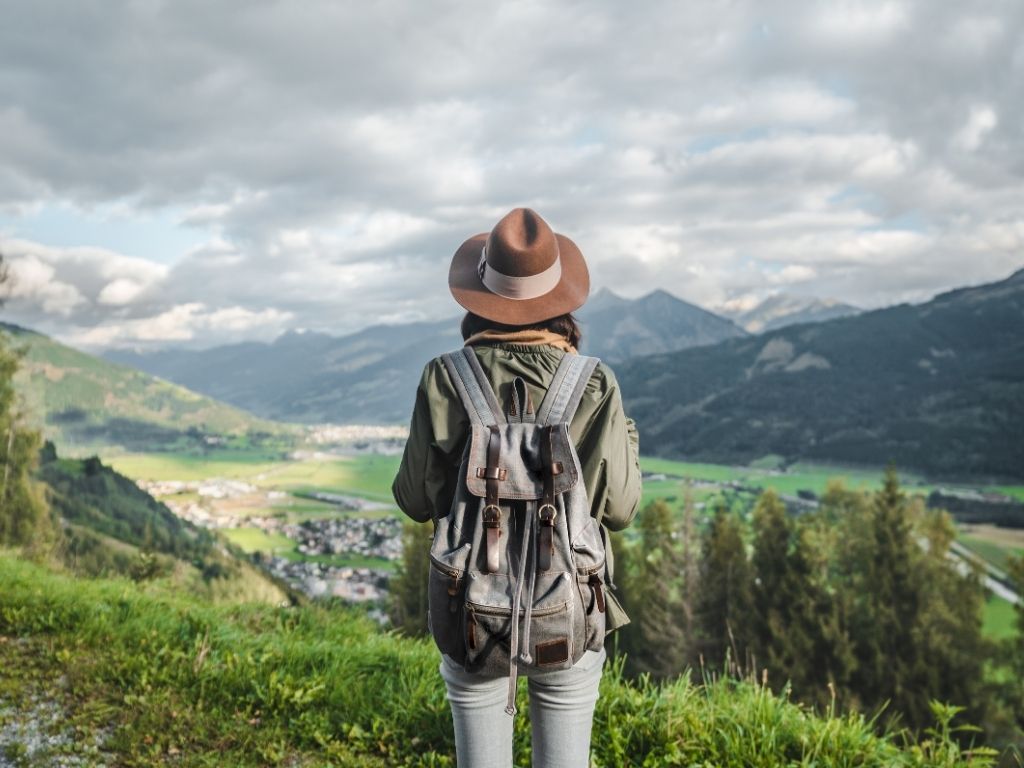
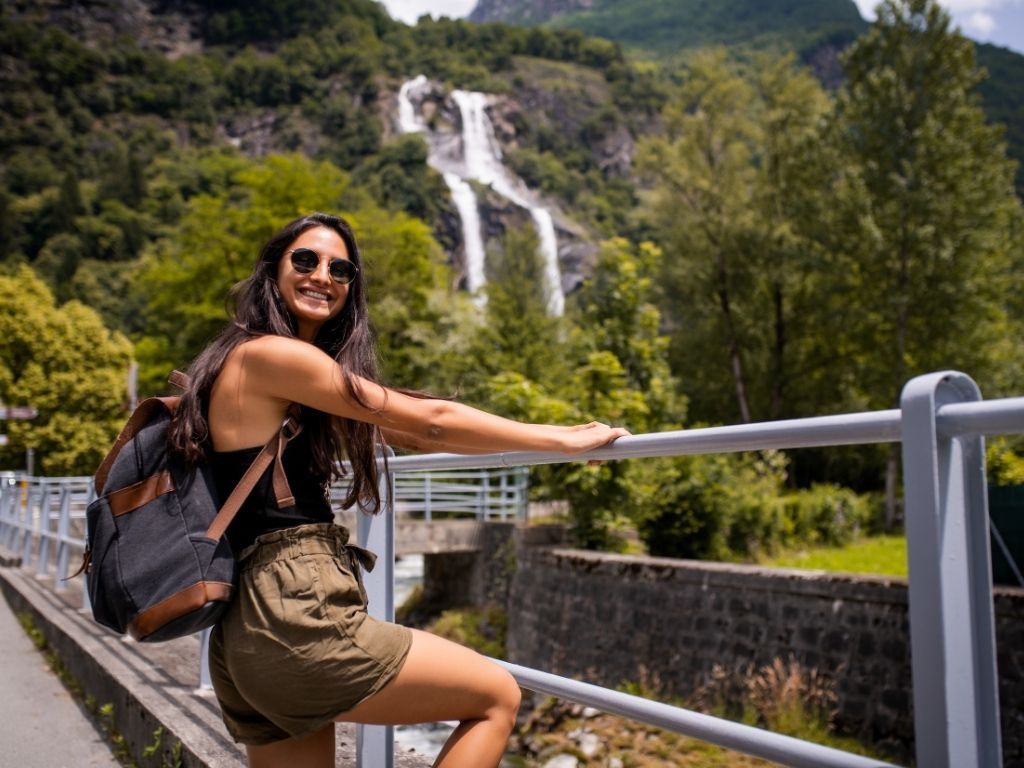
One of the first tips is about preparation and mindset — knowing that you can travel alone, and making it something you’re excited about rather than nervous. The author emphasises planning the basics (where you’ll stay, how you’ll get around) but also leaving room for spontaneity. For example: plan your big “must-do” for the day, but allow smaller, impromptu adventures to happen. This flexibility is a big part of what makes solo travel so freeing.
Another bit I liked: the safety and connection angle. Yes, you’re solo, but that doesn’t mean you’re isolated. Stay aware: share your itinerary with someone you trust, keep your documents safe, and still look for ways to connect with locals or other travellers when you feel like it. This mix of independence + selectivity is a sweet spot.
And the fun part: solo travel gives you the chance to go at your own pace. Want to linger at that little café? Do it. Want to skip the scheduled tour and wander down the quiet street instead? Go ahead. You’re the decision-maker. The guide notes that having fewer constraints can make the experience deeper and more tailored to you.
If I were telling someone: “Hey, if you’re going solo, remember: plan enough to feel safe, leave enough to feel free, and treat the trip as your story. And yes—you’ll probably surprise yourself.”